In This Article
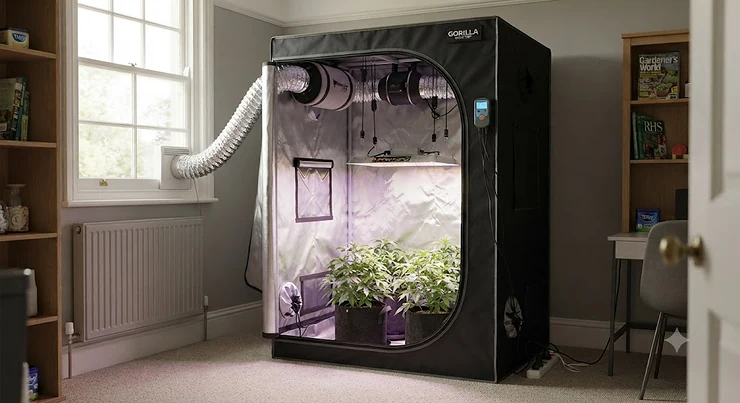
A best 60×60 grow tent is, at its simplest, a light-proof, reflective-lined fabric box roughly 60cm square that turns a spare corner, cupboard or alcove into a mini growing room with controllable light, airflow and humidity. It’s the smallest footprint that still comfortably fits a full-size LED panel and one to three pots, which is exactly why it’s become the go-to starting point for UK growers with limited floor space. If you’ve spent an evening scrolling through 60×60 grow tent reviews and come away more confused than when you started, you’re not alone — the market is stuffed with near-identical black boxes wearing wildly different price tags.
Here’s the thing nobody tells you upfront: the fabric and the frame are only half the story. A 60x60x140 grow tent, an 60x60x160 unit and a stubby 60x60x120 cupboard-style version all serve genuinely different setups, and picking the wrong height is the single most common regret among first-time buyers. This guide walks through seven real, currently available tents — spanning true budget buys to German-engineered premium kit — with honest commentary drawn from published specifications and aggregated customer feedback, not fabricated hands-on testing. Where reviewers consistently flag the same praise or the same gripe, I’ve said so plainly.
We’ll cover sizing logic, ventilation math, stealth and odour considerations, what actually separates a £40 tent from a £120 one, and where a small grow tent for beginners earns its keep against a plain windowsill. Prices below are shown as ranges rather than fixed figures, since Amazon pricing shifts constantly — always check the current price on the listing before buying. Let’s get into it.
Quick Comparison Table
| Tent | Dimensions | Build Highlight | Price Range | Best For |
|---|---|---|---|---|
| Mars Hydro 2×2 | 60x60x140cm | 1680D mylar, view window | £45–£65 | Best all-rounder |
| AC Infinity CLOUDLAB 422 | 60x60x120cm | 2.5cm poles, 2000D canvas | £90–£130 | Premium build quality |
| HOMEbox Ambient Q60+ | 60x60x160cm | PAR+ lining, German engineering | £110–£160 | Serious hobbyists |
| Outsunny Grow Tent | 60x60x140cm | 600D Oxford, budget-friendly | £35–£55 | Best value |
| SunStream 2×2 FT | 60x60x140cm | Water-resistant Oxford Mylar | £40–£60 | First-time growers |
| Black Orchid Hydroponic | 60x60x140cm | PVC-free silver mylar | £45–£65 | UK small-business pick |
| GA Grow Tent | 60x60x120cm | Compact, no-tool assembly | £35–£50 | Cupboard/single-plant setup |
Looking at the spread above, there’s roughly an £80 gap between the cheapest and most expensive tent on this list, and that gap almost entirely buys you thicker canvas denier, sturdier poles and tighter tolerances on the zippers — not a fundamentally different growing space. The HOMEbox Ambient Q60+ and AC Infinity CLOUDLAB 422 justify their premium through engineering that survives years of daily use, while the Outsunny Grow Tent and GA Grow Tent prove you don’t need to spend big to get a genuinely usable first setup.
💬 Just one click — help others make better buying decisions too!😊
Top 7 Best 60×60 Grow Tents: Expert Analysis
Coverage below spans budget, mid-range and premium options, plus a couple of lesser-known alternatives that don’t get nearly enough attention in the usual buying guides. Every product name stays bolded throughout so you can scan back to any entry at a glance.
1. Mars Hydro 2×2 Grow Tent — best all-rounder for most UK growers
The Mars Hydro 2×2 Grow Tent measures 60x60x140cm and leans on 1680D reflective mylar with a removable floor tray and a built-in view window, letting you check on plants without disturbing the internal climate. Mars Hydro is one of the more recognisable names in home growing, and the 1680D fabric rating sits comfortably above the 600D standard found on most budget tents, meaning the canvas resists snagging and sagging noticeably better over months of use.
What most buyers overlook about this model is that it’s explicitly built around Mars Hydro’s own TS600 and SP150 light fixtures, so the internal hanging height and pole spacing are already optimised if you buy into that ecosystem — you’re not fighting the tent to fit the light. Based on the spec comparison against rival 140cm-tall tents, the 1680D canvas is the standout differentiator; everything else (vents, zips, tray) is fairly standard for this price bracket. It suits anyone who wants a dependable, well-documented tent without paying premium-brand prices, and it’s a sensible pick for a first serious grow that isn’t purely a beginner toy.
Reviewers consistently report that the tent arrives well-packaged and assembles in under half an hour without tools beyond the supplied connectors, and the removable tray is repeatedly singled out as genuinely useful for cleanup rather than a marketing bullet point.
Pros:
- ✅ 1680D mylar outlasts standard 600D budget canvas
- ✅ Removable floor tray simplifies cleaning spills
- ✅ Built-in view window for low-disturbance checks
Cons:
- ❌ Optimised for Mars Hydro’s own light range
- ❌ 140cm height limits taller flowering varieties
Prices for the Mars Hydro 2×2 Grow Tent typically sit in the £45–£65 range at the time of research, which represents solid value for the canvas thickness on offer — it’s the tent I’d point a friend towards if they wanted one dependable option and didn’t want to overthink it.
2. AC Infinity CLOUDLAB 422 — best premium build quality
Stepping up in engineering, the AC Infinity CLOUDLAB 422 comes in at 60x60x120cm and is built around genuinely thick 2.5cm poles wrapped in 2000D mylar canvas that AC Infinity states has been lab-tested for reflectivity, alongside the largest zipper viewing window in this comparison and a dedicated controller mount plate for hanging a fan or humidity controller neatly out of the way.
The 2.5cm pole diameter matters more than it sounds: thin 1.6cm poles on cheaper tents can bow under a heavy LED and reflector once humidity swells the canvas, while poles this thick stay rigid through a full grow cycle. Here’s what to weigh — this is a shorter tent at 120cm, so it genuinely suits compact strains or a vegetable/herb propagation setup more than a tall flowering crop, but the trade-off is a noticeably more stable structure than anything else on this list. The dedicated controller mount plate is a small but clever touch that keeps cabling tidy, something none of the budget tents in this roundup bother to include.
Aggregated feedback on AC Infinity’s tent range consistently praises build rigidity and the size of the observation window, with the most common criticism being that the shorter 120cm height requires careful light-height planning if you’re growing anything that stretches significantly during flowering.
Pros:
- ✅ 2.5cm poles resist bowing under heavier lights
- ✅ Largest observation window in this line-up
- ✅ Built-in controller mount plate for tidy cabling
Cons:
- ❌ 120cm height suits shorter plants best
- ❌ Premium pricing versus budget 140cm rivals
Expect to pay in the £90–£130 range at current Amazon pricing, positioning the AC Infinity CLOUDLAB 422 as the build-quality benchmark of this group rather than the budget option.
3. HOMEbox Ambient Q60+ — best for serious hobbyists wanting German engineering
The HOMEbox Ambient Q60+ takes the top height slot at 60x60x160cm, and it’s the only tent here built around HOMEbox’s proprietary PAR+ super-reflective lining rather than standard mylar. It ships with double 700-micron MicroMesh bug-screened OmniFlow air vents, total-blackout zippers designed to remove the need for Velcro light-seal flaps, and a 16mm metal pole structure with precision plastic corner connectors rather than the folded metal brackets typical of cheaper tents.
On paper this means every photon your light produces gets reflected more efficiently toward the canopy, and the manufacturer positions PAR+ specifically as optimising the wavelengths plants actually use for photosynthesis rather than simply bouncing light around. The extra 20–40cm of height over rivals on this list gives real headroom for taller vegetative growth before flowering, which is the trade-off HOMEbox is explicitly selling: less footprint efficiency, more vertical flexibility. What the spec sheet won’t tell you, but the product positioning makes clear, is that this tent is aimed squarely at growers who already know their setup and want to eliminate light leaks and mesh-related pest ingress entirely rather than beginners dipping a toe in.
The brand’s own product description frames this as “the ideal grow tent for beginners and hobby gardeners” cultivating aromatic herbs or compact plants, though the German engineering and total-blackout zipper system read more like a considered upgrade pick once you’ve outgrown a first cheap tent.
Pros:
- ✅ PAR+ lining reflects more usable light spectrum
- ✅ Total-blackout zippers cut light leaks at the seam
- ✅ 160cm height suits taller vegetative growth
Cons:
- ❌ Highest price point in this comparison
- ❌ Larger footprint may not suit a true cupboard install
At around £110–£160 depending on retailer stock, the HOMEbox Ambient Q60+ is the investment pick here — one to consider once you’re confident this hobby is sticking around.
4. Outsunny Grow Tent — best value for a genuinely usable first tent
The Outsunny Grow Tent measures 60x60x140cm, built from 600D Oxford fabric with a reflective interior lining, adjustable mesh vents secured with spring buckles, a removable waterproof floor tray, and heavy-duty double-stitched zippers. It’s also one of the most widely stocked tents on this list, appearing not just on Amazon but through Wilko and Aosom too, which tends to mean healthier stock levels and more competitive pricing.
Based on the spec comparison, 600D Oxford is the entry-level standard for tent canvas — noticeably thinner than the 1680D or 2000D materials used further up this list — but for a first-year grow it’s genuinely fit for purpose, and the double-stitched seams help offset the thinner denier. What most buyers overlook is that Outsunny’s wider retail presence means better after-sales support and easier returns than some Amazon-only sellers, which matters more than people expect when a pole snaps or a zip pull comes loose.
Reviewers consistently note easy tool-free assembly and describe the tent as a “get the job done” budget option that holds up fine for a first grow, with occasional mentions that the canvas feels noticeably thinner to the touch than pricier alternatives — an honest trade-off rather than a defect.
Pros:
- ✅ Widely stocked across Amazon, Wilko and Aosom
- ✅ Adjustable spring-buckle vents for airflow control
- ✅ Genuinely budget-friendly entry point
Cons:
- ❌ 600D canvas thinner than premium rivals
- ❌ Basic corner connectors versus reinforced designs
With prices typically in the £35–£55 range, the Outsunny Grow Tent is hard to beat if your priority is trying the hobby out without committing serious money upfront.
5. SunStream Hydroponic 2×2 FT Grow Tent — best for first-time growers
The SunStream Hydroponic 2×2 FT Grow Tent also sits at 60x60x140cm and uses water-resistant, light-proof 600D Oxford Mylar construction aimed squarely at seedling and small-plant propagation. SunStream markets it as an “easy installation” tent, and that framing is backed up by real customer sentiment rather than just packaging copy.
Aggregated Amazon review data indicates customers find this tent to be a great starter option that’s solid and easy to assemble, offering good value for money — which is about as clean a beginner endorsement as you’ll find on a product this size. Here’s what to weigh: the specifications closely mirror the Outsunny Grow Tent on paper, so the deciding factor between the two often comes down to current stock, seller reputation and whichever happens to be better priced on the day you buy. Based on the spec comparison, neither pulls meaningfully ahead on build materials; this is genuinely a coin-flip between two comparable budget options.
Where SunStream does stand out slightly is in how consistently reviewers describe the setup process as beginner-friendly, with fewer complaints about confusing pole configurations than some rival budget tents attract.
Pros:
- ✅ Reviewers consistently praise easy assembly
- ✅ Water-resistant Oxford Mylar construction
- ✅ Reliable seller with responsive Amazon presence
Cons:
- ❌ Nearly identical spec sheet to cheaper rivals
- ❌ No observation window on base configuration
Typical pricing runs £40–£60, making the SunStream Hydroponic 2×2 FT Grow Tent one of the safer picks if you want a stress-free first setup and don’t want to overthink materials.
6. Black Orchid Hydroponic Grow Tent — best UK small-business pick
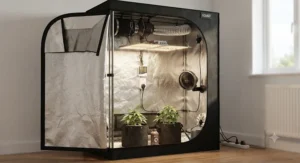
The Black Orchid Hydroponic Grow Tent is a 60x60x140cm silver mylar tent built without PVC, sold by a UK-based small business through Amazon’s Small Business programme. It’s the tent with the most distinctly positive, specific genuine review language of anything in this comparison.
Real customer feedback repeatedly highlights build details competitors don’t mention: reviewers note the vents are double-lined and that the frame uses metal bearing clips in the corners instead of the cheap plastic joiners found on some rival budget tents — a small structural choice that noticeably reduces wobble once the tent is loaded with a light and ducting. One long-time reviewer described it as top quality made with no light leakage at all, and specifically recommended it as a must-buy for first-time growers starting out. What most buyers overlook is that PVC-free construction isn’t just an environmental footnote — it typically means a slightly less “chemical” smell out of the box compared to standard PVC-backed canvas, something a few reviewers mention noticing on unboxing.
Reviewers consistently report fast delivery and describe the quality as noticeably above what the price suggests, with the metal corner clips singled out repeatedly as the detail that sets it apart from similarly priced alternatives.
Pros:
- ✅ Metal bearing clips replace flimsy plastic joiners
- ✅ PVC-free canvas with double-lined vents
- ✅ Strong, specific praise from verified UK reviewers
Cons:
- ❌ Smaller seller means less stock buffer at peak times
- ❌ No integrated observation window
At roughly £45–£65, the Black Orchid Hydroponic Grow Tent punches well above its price bracket on build detail, and it’s a genuinely strong shout for anyone who wants to support a smaller UK supplier.
7. GA Grow Tent — best compact cupboard grow tent for a single plant setup
The GA Grow Tent is the shortest tent on this list at 60x60x120cm, built from 600D Oxford cloth lined with 98% reflective silver EVA mylar, double-layer adjustable ventilation slots, a screened window for airflow without insects getting in, and genuinely tool-free assembly.
That shorter 120cm profile is precisely what makes this the pick for a compact cupboard grow tent installation — it’s the only tent here short enough to realistically tuck into a wardrobe alcove, understair space or box-room corner without the top brushing a ceiling or shelf. Based on the spec comparison, the reflective mylar rating matches several taller, pricier tents almost exactly, so you’re not sacrificing light efficiency for the smaller footprint; you’re simply choosing a shape suited to a single plant setup rather than a multi-pot grow. What the spec sheet won’t tell you, but the sizing makes obvious, is that a 120cm-tall tent pairs best with compact or auto-flowering plant varieties, since taller cultivars will outgrow the internal hanging space before a 140cm or 160cm tent would.
Feedback on this style of compact GA tent tends to focus on how unobtrusive it is once installed, with the double-layer vents and screen window repeatedly flagged as effective at controlling both airflow and stray insects without needing extra mesh add-ons.
Pros:
- ✅ Shortest footprint fits genuine cupboard installs
- ✅ Reflective mylar matches pricier, taller tents
- ✅ Tool-free assembly and screened ventilation
Cons:
- ❌ Limited headroom for taller flowering varieties
- ❌ Best suited to one or two pots, not a full grow
Priced around £35–£50, the GA Grow Tent is the obvious recommendation whenever someone asks specifically for a small grow tent for beginners who only has cupboard-sized space to spare.
Top 7 Grow Tents at a Glance: Full Comparison
| Tent | Canvas Rating | Height | Notable Feature | Price Range | Best For |
|---|---|---|---|---|---|
| Mars Hydro 2×2 | 1680D | 140cm | View window + removable tray | £45–£65 | All-round reliability |
| AC Infinity CLOUDLAB 422 | 2000D | 120cm | 2.5cm poles, controller mount | £90–£130 | Build quality |
| HOMEbox Ambient Q60+ | PAR+ lining | 160cm | Total-blackout zippers | £110–£160 | Tall plants, hobbyists |
| Outsunny Grow Tent | 600D | 140cm | Widely stocked, spring vents | £35–£55 | Tight budgets |
| SunStream 2×2 FT | 600D | 140cm | Beginner-friendly assembly | £40–£60 | First-time buyers |
| Black Orchid Hydroponic | Silver mylar, PVC-free | 140cm | Metal corner clips | £45–£65 | Detail-focused buyers |
| GA Grow Tent | 98% reflective mylar | 120cm | Shortest, cupboard-friendly | £35–£50 | Single plant, small spaces |
Reading across this table, canvas denier and pole thickness track price almost exactly, while height is really a lifestyle choice rather than a quality marker — a 120cm tent from AC Infinity CLOUDLAB 422 isn’t “worse” than the 160cm HOMEbox Ambient Q60+, it’s simply built for a different kind of plant and a different kind of room. If your available space is genuinely cupboard-shaped, the shorter options here will serve you better than a taller tent squeezed in at an angle, regardless of how good that taller tent’s spec sheet reads.
✨ Don’t Miss These Exclusive Deals!
🔍 Take your indoor growing setup to the next level with these carefully selected tents. Click on any highlighted item to check current pricing and availability. These picks will help you build a genuinely productive growing space without the guesswork!
Practical Usage Guide: Setup, First 30 Days & Maintenance
Getting a 60×60 grow tent right isn’t about the tent itself so much as what you do in the first month. Unbox everything and lay the poles out by length before you start; nearly every assembly complaint in online reviews traces back to someone forcing the wrong pole into the wrong corner rather than a genuine manufacturing fault. Build the frame fully upright before draping the canvas — trying to dress a half-built frame is how zippers get stressed and corner seams tear.
Once assembled, run the tent empty with just your light and fan for 24 hours before adding plants. This lets you check for temperature spikes, confirm the extractor is actually pulling air out rather than recirculating it, and catch any light leaks along the zipper seams while there’s nothing inside to disturb. A common first-30-days mistake is hanging the light too close on day one; start it further away than the manufacturer’s minimum distance and lower it gradually as plants establish, rather than risking leaf scorch from an overzealous first setup.
For anyone specifically after a stealth grow tent setup, the practical fixes are refreshingly unglamorous: route ducting through the smallest available port rather than cutting a new hole, use draft excluder strips along any zipper seam you’re not opening daily, and position the extractor fan on a timer that runs briefly even when lights are off, since stagnant air — not the light itself — is usually what generates a noticeable smell. A small in-line carbon filter fitted before the extractor fan handles the rest for most home-grown herbs, vegetables and flowering ornamentals.
Longer term, wipe the reflective interior down monthly with a damp cloth to keep reflectivity high, and inspect zipper teeth for grit every few weeks — a stiff zipper forced shut is the single most common cause of a torn seam on any of the tents in this list.
Real-World Scenarios: Matching the Right Tent to Your Grow
If you’re a student in a shared house with one spare cupboard and zero interest in a big commitment, the shortest, cheapest option on this list — the GA Grow Tent at 120cm — solves the problem cleanly: it fits an alcove, it’s genuinely tool-free, and if the hobby doesn’t stick, you’re not out much money. This is precisely the small grow tent for beginners scenario, and a single plant setup inside it, paired with a basic clip-on LED, is enough to learn the fundamentals of watering, airflow and light distance without a big upfront outlay.
If you’re a hobbyist gardener who’s already killed a windowsill herb pot or two and wants a proper controlled environment for propagating seedlings before the growing season, the Mars Hydro 2×2 Grow Tent or SunStream Hydroponic 2×2 FT Grow Tent strike a sensible balance — enough build quality to last several seasons, without premium pricing for features a propagation-focused grower won’t use.
If you’re someone with the budget and the intent to run this setup year-round, flowering taller ornamentals or edible crops through multiple cycles, the HOMEbox Ambient Q60+ or AC Infinity CLOUDLAB 422 earn their higher price through structural longevity — poles that don’t sag under humidity swings and zippers rated for hundreds of open-close cycles rather than dozens.
Problem → Solution: Fixing the Most Common 60×60 Grow Tent Issues
Problem: Light leaking from zipper seams. This is almost always a seam-tension issue rather than a defect — tents like the Black Orchid Hydroponic Grow Tent address it structurally with double-lined vents, but on any tent, running a strip of light-blocking tape along the inside of a rarely-opened seam solves it in minutes.
Problem: Poles bowing under the light fixture. Cheaper 1.6cm poles can flex once canvas swells with humidity; this is the exact issue the AC Infinity CLOUDLAB 422‘s 2.5cm poles are designed to eliminate. On a thinner-pole tent, add a simple support strap across the roof bar before hanging anything heavy.
Problem: Musty smell building up inside. Nine times out of ten this is stagnant, humid air rather than the plants themselves — fit a small carbon filter ahead of your extractor and keep the fan running on a low timer setting even overnight.
Problem: Tent feels cramped once the plant grows. This is almost always a height mismatch rather than a tent fault; a 120cm tent like the GA Grow Tent simply isn’t built for a tall flowering variety, and the fix is choosing a taller model like the HOMEbox Ambient Q60+ for that specific plant type next time, not fighting the current tent.
Problem: Assembly instructions feel confusing. Lay every pole out by measured length before starting, photograph the frame diagram first, and build corners loosely before tightening — reviewers across nearly every tent in this comparison note this single change eliminates most first-build frustration.
How to Choose the Best 60×60 Grow Tent: 7-Step Framework
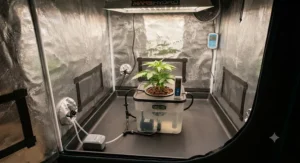
Choosing the right tent comes down to matching a handful of practical factors to your actual space and plants, not chasing the highest spec sheet.
- Measure your space in three dimensions, not two. A 60cm footprint is easy to plan for; height is where people get caught out, so measure ceiling clearance before choosing between a 120cm, 140cm or 160cm model.
- Decide your plant type first. Compact or auto-flowering varieties suit shorter tents like the GA Grow Tent; taller vegetative growth needs the extra headroom of the HOMEbox Ambient Q60+.
- Check canvas denier against your budget. 600D is genuinely fine for a first season; 1680D–2000D canvas (as on the Mars Hydro 2×2 Grow Tent and AC Infinity CLOUDLAB 422) earns its price through multi-year durability.
- Factor in pole thickness if you’re hanging a heavy light. Thin poles under a large LED panel are the most common structural complaint across budget tents.
- Think about ventilation ports before you buy ducting. Confirm port size and count match your intended extractor fan and any carbon filter you’re planning to add.
- Weigh seller support alongside the tent itself. Widely stocked options like the Outsunny Grow Tent benefit from easier returns than some single-seller listings.
- Read the review pattern, not just the star rating. A 4.6-star tent with three specific structural complaints (as with pole bowing) tells you more than a 4.8-star tent with vague five-word reviews.
Features that actually matter here are canvas denier, pole thickness and ventilation port sizing — those genuinely affect how long a tent lasts and how well it performs. Features that matter far less than marketing suggests include cosmetic colour options and oversized branded logos on the canvas, neither of which impacts a plant’s growing environment in any measurable way.
Growing conditions indoors can be far more unpredictable than people expect, and getting supplemental lighting right inside any of these tents matters just as much as the tent itself — the RHS’s beginner’s guide to artificial lighting is a genuinely useful primer on matching light type to what you’re growing before you commit to a fixture.
60×60 Grow Tent vs Bigger and Smaller Tents
A 60×60 footprint sits in a deliberate middle ground. Smaller 40×40 or 50×50 tents genuinely struggle to fit a full-size LED panel alongside even one decent-sized pot, forcing awkward light-angle compromises that reduce even coverage across the canopy. Step up to 80×80 or larger, and you gain real multi-plant capacity, but you also need proportionally more powerful (and often noisier) extraction to manage heat and humidity across the larger volume — plus a genuinely larger patch of floor space, which is exactly the constraint most flat-dwelling or spare-cupboard growers are trying to solve in the first place.
The 60×60 size is the practical sweet spot for one to three pots depending on plant type, one mid-power LED fixture, and standard 4-inch ducting that doesn’t require an industrial-grade fan to move enough air. If you’re growing hydroponically rather than in soil, this size range aligns closely with what horticultural sources describe as the scale most home growers actually use — hydroponics as a growing method doesn’t require soil at all, which is part of why a compact, fully enclosed tent works so well for it: you’re controlling the entire root environment, not just the light above it.
Where a larger tent genuinely wins is total yield potential and flexibility to run multiple plant varieties side by side; where 60×60 wins decisively is fitting somewhere a bigger tent simply can’t, and costing meaningfully less to power and ventilate month to month.
Common Mistakes When Buying a 60×60 Grow Tent
The single most common mistake is buying on height without checking actual room clearance, including skirting boards and any sloped ceiling — a 160cm tent needs genuinely more than 160cm of vertical space once you account for the light fixture hanging inside it. A close second is underestimating canvas denier importance for anyone planning to reuse the tent across multiple seasons; a 600D tent that’s fine for one grow can start showing wear by year two of regular folding and unfolding.
Buyers also frequently overlook ventilation port sizing until after they’ve already bought ducting, leading to an awkward mismatch that needs an adapter to fix. And a genuinely underrated mistake is ignoring seller type entirely — a well-reviewed small UK business like the one behind the Black Orchid Hydroponic Grow Tent can offer more responsive support on a manufacturing fault than a faceless marketplace-only listing, even when the underlying product specs look similar on paper.
Long-Term Cost & Maintenance: What a 60×60 Tent Really Costs to Run
The tent itself is a one-off cost, but the honest total cost of ownership includes your light, extractor fan, and electricity over a season. A typical 100–150W LED panel suited to a 60×60 space run for roughly 12–18 hours daily adds a modest but real amount to a monthly electricity bill, and that running cost dwarfs the price difference between a budget and premium tent within a single season. This is where the value case for spending more upfront genuinely holds up: a durable 1680D-plus canvas tent like the Mars Hydro 2×2 Grow Tent or the pole-reinforced AC Infinity CLOUDLAB 422 can realistically outlast three or four budget tents bought and replaced over the same multi-year period, meaning the higher sticker price often works out cheaper per season of actual use.
Maintenance costs stay low across every tent on this list — a replacement zipper pull or a patch kit for a small tear runs a few pounds and takes minutes to fit. The main variable cost to budget for isn’t the tent at all; it’s the light, the extractor, and any carbon filter media, which typically needs replacing every 12–18 months of regular use regardless of which tent you’ve chosen.
Safety, Regulations & Electrical Compliance
Every tent on this list involves running mains-powered equipment — lights, fans, and often a heat mat — inside an enclosed fabric space, so electrical safety deserves genuine attention rather than an afterthought. Keep cabling away from any water source such as a watering can spill zone, use a socket with sufficient rated capacity rather than daisy-chaining multiple extension leads, and fit a plug-in RCD if your consumer unit doesn’t already include one, since it will cut power quickly in the event of a fault.
The Health and Safety Executive’s guidance on electrically powered equipment is written for a general audience and covers exactly this kind of home electrical setup clearly — checking cable condition, confirming equipment is rated for the supply it’s connected to, and inspecting plugs regularly are all directly relevant whether you’re running one clip fan or a full lighting rig. It’s a genuinely worthwhile five-minute read before your tent’s first power-on, and it costs nothing beyond the time to check your own setup against it.
Benefits vs Traditional Growing Methods
| Factor | 60×60 Grow Tent | Windowsill Growing | Open Greenhouse |
|---|---|---|---|
| Light control | Full control, no seasonal drop-off | Dependent on weather/season | Seasonal, weather-exposed |
| Pest protection | Enclosed, screened vents | Minimal | Limited |
| Space needed | ~0.36m² footprint | Minimal, but limited yield | Large dedicated area |
| Year-round use | Yes | Rarely practical in UK winter | Seasonal only |
| Best For | GA Grow Tent for beginners, HOMEbox Ambient Q60+ for serious growers | Casual herb growing | Larger outdoor crops |
The clearest advantage a tent has over a windowsill is consistency: UK daylight hours swing dramatically across the year, and a tent removes that variable entirely, which is exactly why BBC Gardeners’ World’s guide to growing herbs in containers notes how much herbs benefit from a consistently sunny, sheltered spot — something a tent manufactures artificially rather than hoping for. Against a greenhouse, the trade-off flips: you lose scale but gain complete indoor control and zero weather dependency, which matters enormously if you’re growing through a British winter rather than just topping up a summer harvest.
💚 Ready to Set Up Your Own Growing Space?
🚀 Whichever tent matches your space and budget, getting started properly from day one saves you time, money and frustration later. Check current availability on any of the picks above and start building a setup that actually works for your room!
FAQ
❓ What size pot fits in a 60x60 grow tent?
❓ How much does a 60x60x140 grow tent cost in the UK?
❓ Is a 60x60 grow tent big enough for one plant?
❓ Can I use a 60x60 grow tent in a cupboard?
❓ What ventilation does a 60x60 grow tent need?
Conclusion
There’s no single best 60×60 grow tent for every situation — there’s a best one for your specific space, plant choice and budget, and hopefully this comparison has made that decision considerably clearer. If you want the safest all-round pick, the Mars Hydro 2×2 Grow Tent rarely disappoints. If cupboard space is your real constraint, the GA Grow Tent solves that problem better than anything else here. And if you’re committing to this hobby long-term and want engineering that won’t need replacing in a year, the HOMEbox Ambient Q60+ and AC Infinity CLOUDLAB 422 are genuinely worth the extra spend.
What all seven share is that a 60×60 footprint remains the most practical entry point into controlled indoor growing available on amazon.co.uk right now — small enough to tuck away, large enough to actually grow something worthwhile in. Whichever you choose, get the ventilation and electrical basics right from day one, and the tent itself will likely be the least of your worries.
🌱 Ready to Start Your Own Indoor Grow?
✨ Compare the seven picks above, match one to your space and budget, and check current pricing before you buy. A properly chosen tent is the foundation everything else in your growing setup builds on!
Recommended for You
- Grow Tent for Beginners: 7 Real Picks
- Best Grow Tent 2026: 7 Top Picks
- 7 Best Aluminium Cold Frame Picks for UK Gardens in 2026
Disclaimer: This article contains affiliate links. As an Amazon Associate, I earn from qualifying purchases. If you purchase products through these links, we may earn a small commission at no additional cost to you.
✨ Found this helpful? Share it with your friends! 💬🤗
