
In This Article
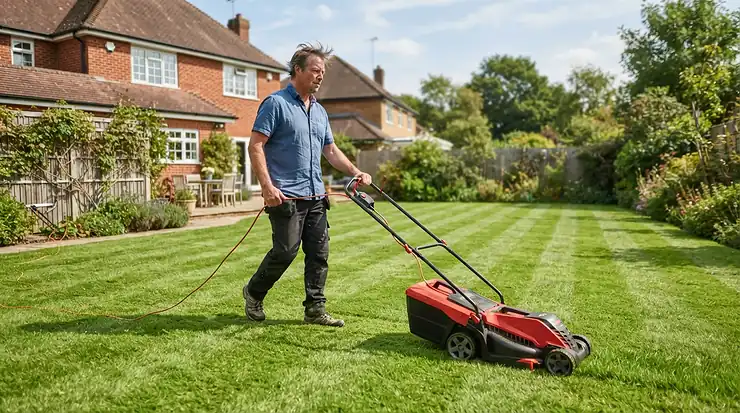
A petrol vs electric lawn mower comparison weighs a fuel-burning engine (raw power, long run times, more servicing) against a motor fed by a mains cable or a rechargeable battery (quieter, lighter, far simpler to look after). The right choice depends less on brand loyalty than on your lawn size, terrain, storage space and tolerance for spanners.
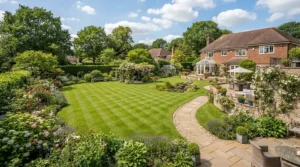
Here’s the twist for 2026: the old rule of thumb (“petrol for power, electric for toys”) has quietly expired. Which? notes there are now cordless electric mowers as powerful as petrol models, typically costing between £350 and £500. Read that again. A battery machine that shrugs off long grass, no pull cord, no fuel can, no oily hands. Meanwhile petrol mowers haven’t gone anywhere; they remain the sensible tool for big, rough or sloping lawns, and a good one will outlive several batteries.
So who wins? Honestly, it depends. I’ve spent this guide comparing seven real, widely sold UK models across the three power types, and I’ve dug into the things spec sheets skip: mower fuel costs comparison, mower maintenance differences, noise levels lawn mowers, emissions and lawn mowers, mower servicing, and how garden size and power type should steer your decision.
Everything below is analysis built on published specs, expert testing and aggregated owner feedback. Nothing is invented, and where I couldn’t verify a detail, I say so.
Quick Comparison Table: Petrol vs Electric Lawn Mower Options at a Glance
Here’s the whole field on one screen. Prices are ranges at the time of research; they move constantly, so check current price before buying.
| Mower | Power type | Cut width | Approx. price range | Best For |
|---|---|---|---|---|
| Mountfield HP185 | Petrol, hand-propelled | 46 cm | £200-£260 | Budget buyers wanting petrol grunt |
| Hayter Harrier 41 | Petrol, rear roller | 41 cm | Premium (see review) | Stripe lovers with a flat lawn under 300 m² |
| Mountfield SP53 Elite | Petrol, self-propelled | 51 cm | Around £400 | Large, rough or sloping lawns |
| Bosch Rotak 32 R | Corded electric | 32 cm | Around £100 | Small gardens, first-time buyers |
| Bosch AdvancedRotak 750 | Corded electric | 45 cm | £200-£300 | Medium lawns and noise-conscious households |
| Worx Nitro WG749E | Cordless, self-propelled | 46 cm | Around £450 | Medium-to-large lawns without petrol |
| EGO LM2135E-SP | Cordless, self-propelled | 52 cm | £700-£950 | Big lawns, premium buyers |
Look at the spread and a pattern emerges. The cheapest petrol machine, the Mountfield HP185, costs roughly double the cheapest corded electric, the Bosch Rotak 32 R, but delivers a much wider cut and far more capacity. The middle of the field, where the Worx Nitro WG749E and Mountfield SP53 Elite sit, is where the petrol vs electric lawn mower argument is genuinely close. And at the top, the EGO LM2135E-SP proves you can spend petrol-mower money on a battery machine, if you value silence over savings.
💬 Just one click — help others make better buying decisions too!😊
Top 7 Petrol vs Electric Lawn Mower Picks: Expert Analysis
Three petrol machines, two corded, two cordless. Each entry below sticks to real specs, real expert testing and genuine aggregated owner sentiment. I haven’t tested any of these myself, so nothing here pretends otherwise.
1. Mountfield HP185 — best-value petrol push mower
The Mountfield HP185 is the machine that keeps petrol mowing affordable. Its engine is a compact 139cc four-stroke (older listings cite a Briggs & Stratton unit, so check the model code), driving a 46cm steel blade with six cutting heights from 22mm to 65mm. In practice that means one pass covers a lot of ground, and the 60-litre grass bag means fewer trips to the compost bin than a small electric would demand.
At roughly 25-26kg, it’s light for a petrol mower, yet you’re still pushing it, since it’s hand-propelled. On a flat 200-400 m² lawn that’s fine; on a long slope with wet grass, you’ll feel every square metre. The mulching plug is a genuine bonus, returning fine clippings to the turf.
Reviewers tend to be warm. One magazine tester struggled to find genuine negatives, and long-term owners talk about a “no-nonsense” machine that starts reliably. Which? has reviewed it as a large petrol mower, though its full scores sit behind a paywall, so I can’t quote them.
Pros:
- ✅ Genuine petrol power at a low price
- ✅ Mulching plug included as standard
- ✅ Light for a petrol mower
Cons:
- ❌ Hand-propelled, so hills feel long
- ❌ Needs fuel, oil and annual servicing
Expect to pay in the £200-£260 range. Verdict: the best entry ticket to petrol mowing, provided you’ll service it.
2. Hayter Harrier 41 — premium rear-roller stripes
The Hayter Harrier 41 is what you buy when the lawn is the point of the garden. A 41cm aluminium deck and two-piece rear roller lay down proper stripes, and Hayter recommends it for flat lawns up to 300 square metres. Its “Trim Side” deck lets you mow right up to borders and raised beds, which is where lesser mowers leave those annoying uncut fringes.
Specs worth translating: the variable-speed versions self-propel between roughly 2.2 and 3.4mph, so you set the pace instead of being dragged. Engines are typically Briggs & Stratton on standard models and Honda on the Pro. Retailers list a lifetime deck warranty, though servicing by an authorised dealer is required to preserve the wider warranty.
Owner sentiment is strong but not unanimous. One long-term owner reports 15 trouble-free years; another complained about flimsy roller bolts on a new machine; a reviewer on a retailer page found the grass box awkward to empty into bags.
Pros:
- ✅ Sharp, professional-looking stripes
- ✅ Cuts tight to borders and walls
- ✅ Strong reputation for longevity
Cons:
- ❌ Premium price for a 41cm cut
- ❌ Small deck means slower on big lawns
I couldn’t confirm live retailer prices, but expect to pay well above the Mountfield, roughly the £600-£850 bracket by version. Verdict: superb for small, flat, show-off lawns; poor value for anything rough or large.
3. Mountfield SP53 Elite — Honda-powered workhorse
The Mountfield SP53 Elite is the “just get it done” petrol machine. Its Honda GCVx170 167cc engine (rated around 3.3kW) drives a 51cm steel deck, six cutting heights from 22mm to 80mm, and rugged 280mm rear wheels that glide over bumps and tussocks. Self-propelled drive means you steer, not shove.
The trade-off is weight: around 34-35kg for the SP53 family. That’s the price of a steel chassis and a big engine, and it’s why it belongs in a garage, not on a balcony. The 1-litre tank and half-litre oil capacity keep top-ups simple.
Which? describes the Elite as an upgrade over the standard SP53, offering a Honda rather than a Mountfield engine, at roughly £100 more. Buyers frequently praise the Honda engine’s fuel efficiency and reliability; a minority complain of aggravation in use, a reminder that lawn conditions matter.
Pros:
- ✅ Strong Honda engine for long, wet grass
- ✅ Self-propelled with large all-terrain wheels
- ✅ Wide 51cm cut saves time
Cons:
- ❌ Heavy to lift and store
- ❌ Loud and needs regular servicing
It sits around £400, so mid-range for petrol. Verdict: the sensible pick for larger or unruly lawns.
4. Bosch Rotak 32 R — cheapest sensible corded mower
The Bosch Rotak 32 R has been on shelves since 2017, and its longevity is its endorsement. A 1,200W motor spins a 32cm steel blade with a rear roller, a 31-litre box and grass combs behind the front wheels to help cut nearer edges. It’s light, which is exactly why first-time buyers love it.
What the spec sheet won’t shout: there’s no mulching option, and a 32cm deck means more passes. Reviewers suggest it’s happiest on lawns under roughly 200 m² (some say nearer 150 m² if you have tight corners). Cable length varies by source, but plan on an extension lead rated for outdoors.
Owner feedback is broadly positive: reviewers report years of unglamorous reliability. Forum threads, though, mention thin-feeling plastics and clogging in long, damp grass, and a sacrificial plastic washer that shears when you hit something solid. Keep spares.
Pros:
- ✅ Very affordable for a reputable brand
- ✅ Light and easy to store
- ✅ Simple to start with no maintenance
Cons:
- ❌ Clogs in long or wet grass
- ❌ No mulching and a small deck
Expect around £100. Verdict: the default “first mower”, but a stretch beyond a small garden.
5. Bosch AdvancedRotak 750 — quiet corded power
The Bosch AdvancedRotak 750 is the corded machine for people who fear their neighbours. Its 1,700W motor drives a 45cm steel blade through seven height settings from 25mm to 80mm, with a rear roller for stripes and LeafCollect blades that double as a leaf hoover. Bosch’s ProSilence design claims to cut noise by up to 75%. Sources quote the resulting figure inconsistently (75dB in some, 89dB in others), so treat it as “quieter than typical”, not a precise number.
The 45cm deck stretches to medium lawns, and Bosch positions it for lawns up to around 750 square metres, though your cable reach will decide the practical limit. A newer Bosch 44-750 variant has also drawn praise from Expert Reviews as proof that corded mowers still have a place.
Feefo reviewers describe it as quiet and easy to use, with a few noting some cuttings left when removing the grass box. Some third-party reviews mention a “flimsy” deck.
Pros:
- ✅ Noticeably quieter than typical mowers
- ✅ Wide cut for a corded model
- ✅ Seven cutting heights
Cons:
- ❌ Cable limits your reach
- ❌ Some owners report a thin-feeling deck
Roughly £200-£300 depending on version. Verdict: excellent value if you have a mains socket nearby.

6. Worx Nitro WG749E — the petrol-alternative that costs less
The Worx Nitro WG749E is the mower that made a lot of petrol buyers reconsider. It’s a 40V brushless machine (two 20V 4Ah PowerShare batteries) with a 46cm deck, variable-speed self-propelled drive up to about 5.2km/h, and a 55-litre bag. Cutting heights run from 20mm to 80mm, and it can mulch or rear-discharge.
Real-world meaning: Worx quotes lawns up to around 500 m² on the supplied batteries, and reviewers describe it as strongest on large, flat lawns. It weighs roughly 28-30kg, so it’s hardly lightweight, but self-propel makes that irrelevant while mowing.
Gardeners’ World rated it 4.8/5 as its best self-propelled cordless mower under £500. Expert Reviews noted it can’t turn on a sixpence like smaller rotary mowers.
Pros:
- ✅ Self-propelled with variable speed
- ✅ Batteries work across Worx tools
- ✅ Big 55-litre grass bag
Cons:
- ❌ Heavy for a cordless mower
- ❌ Less agile than compact mowers
Around £450 at RRP; check current price. Verdict: the sweet spot for medium-to-large lawns.
7. EGO LM2135E-SP — premium cordless for big lawns
The EGO LM2135E-SP is the flagship. Its 52cm deck, 56V 7.5Ah battery, brushless motor and self-propelled variable drive are aimed squarely at people who used to buy a big petrol mower. Retailers cite up to about an hour of runtime, LED headlights, and collection, mulching and rear-discharge options.
Which? describes it as being sold as an alternative to big petrol mowers. That’s exactly the right framing: it’s a genuine competitor to the Mountfield SP53 Elite, but with far less noise and no fuel. It’s also heavy for a cordless, close to 30kg, though still lighter than some petrol machines that can reach 40kg.
Owner sentiment is upbeat about cut quality and battery life, though buyers repeatedly flag the price. One international reviewer found initial starting fiddly.
Pros:
- ✅ Petrol-rivalling power and width
- ✅ Long runtime for large lawns
- ✅ Very quiet compared with petrol
Cons:
- ❌ Expensive against petrol rivals
- ❌ Battery replacement is a future cost
Expect roughly £700-£950; check current price. Verdict: the best battery answer to petrol, if budget allows.
✨ Don’t Miss These Exclusive Deals!
🔍 Take your petrol vs electric lawn mower decision to the next level with these carefully selected models. Click on any highlighted item to check current pricing and availability, then match the machine to your lawn, not the other way round!
Petrol vs Electric Lawn Mower: How the Three Power Types Really Compare
Here’s the head-to-head, with the key differences boiled down.
| Factor | Petrol | Corded electric | Cordless electric |
|---|---|---|---|
| Power on tough grass | Excellent | Good | Good to excellent |
| Weight | Heaviest | Lightest | Moderate |
| Reach | Unlimited | Limited by cable | Limited by battery |
| Upkeep | Highest | Lowest | Low |
| Noise | Loudest | Quiet | Quiet |
| Best For | Mountfield SP53 Elite on rough lawns | Bosch Rotak 32 R on small lawns | Worx Nitro WG749E on medium-to-large lawns |
The table hides an important shift. Petrol’s lead used to be about power; now it’s about endurance and rough terrain. A big petrol machine will keep going all afternoon, while a battery mower stops when the charge does, so lawns over roughly 500 m² sometimes need a spare battery.
Corded models suit anyone within cable range of a socket, but the cable is a genuine handicap around trees and flower beds. Cordless mowers plug that gap, which is why they’ve become the mainstream choice. The EGO LM2135E-SP is the extreme example: it costs petrol money and delivers petrol performance, minus the fumes.
Mower Fuel Costs Comparison: What Each Type Costs to Run
Let’s put numbers on it, because this is where opinions usually collapse. In September 2026, unleaded petrol hit around 174p a litre according to the RAC. On the electricity side, Ofgem’s cap for October to December 2026 averages about 26.32p per kWh for Direct Debit customers. (See Ofgem’s full breakdown in its energy price cap announcement.)
My illustrative assumptions: around 22 hours of mowing a season (roughly 30 cuts of 45 minutes), and petrol consumption of about half a litre to a litre per hour, which varies with engine and grass conditions. These are estimates, not lab figures.
| Type | Season usage | Approx. annual energy cost | Best For |
|---|---|---|---|
| Petrol (Mountfield HP185, Mountfield SP53 Elite) | 11-22 litres | £19-£38 | Buyers who value power over pennies |
| Corded (Bosch Rotak 32 R, Bosch AdvancedRotak 750) | 26-37 kWh | £7-£10 | Small-to-medium lawns near sockets |
| Cordless (Worx Nitro WG749E, EGO LM2135E-SP) | 11-18 kWh | £3-£6 | Low running costs and no fuel storage |
The takeaway from this mower fuel costs comparison is that energy is a rounding error. The gap between petrol and electric is perhaps £20-£30 a year, so the real money lives elsewhere: purchase price, servicing and battery replacement. Anyone selling you an electric mower purely on “fuel savings” is selling you a story. Buy on convenience and noise, and treat the pennies as a pleasant side effect.
Mower Maintenance Differences: What You’ll Actually Do to Each Machine
Ask any owner what they truly dislike about petrol machines and the answer is rarely the power. It’s the ritual: fuel, oil, spark plug, air filter, carburettor, and the sinking feeling every spring that it might not start. Mower maintenance differences are the quiet reason so many households have gone electric.
On a petrol mower you’re looking after an engine. Check oil before use, clean or replace the air filter, replace the spark plug, sharpen or replace the blade, and use fresh petrol; stale fuel can clog the carburettor, as owner guides warn. Out of season, drain the fuel or run the tank dry.
On corded and cordless machines, the job list shrinks dramatically. Wipe the deck, keep the blade sharp, and check the cable for nicks (corded) or store batteries sensibly (cordless). There’s no oil, no plug, no carburettor.
Here’s the honest catch. Batteries age. After years of use, capacity fades, and replacement packs for the bigger platforms are a meaningful slice of the original kit price. So the maintenance saving is real, but the long-term cost simply changes shape: from oil-and-plugs to a battery you’ll eventually replace.
Noise Levels Lawn Mowers: Will Your Neighbours Notice?
Noise levels lawn mowers produce vary more than most buyers expect, and it’s worth understanding why. Manufacturers usually quote sound power (a property of the machine), while what your ears feel is sound pressure (which drops with distance). That’s why two brochures can quote different-looking figures for similar mowers.
Petrol engines are the loudest category because combustion is violent. Electric motors are quieter, and the design can help further. The Bosch AdvancedRotak 750 is a good case study: Bosch’s ProSilence approach claims up to a 75% noise reduction, and a Which?-partner style test approach (rating noise as part of every review) is the sort of independent check I’d want before buying. Because published figures for this model conflict, I’d treat the marketing number cautiously and trust reviewers’ consistent verdict that it’s quiet for its power.
Cordless brushless machines like the Worx Nitro WG749E and EGO LM2135E-SP are quieter than petrol equivalents, though blade noise and grass hiss remain. Even a whisper-quiet motor can’t silence a spinning blade slicing wet turf.
Practically: if you mow early on a Sunday, or live semi-detached or terraced, the quiet of electric is worth real money. If your nearest neighbour is a hedge and a field away, noise probably shouldn’t decide anything.
Emissions and Lawn Mowers: The Environmental Reality
Here’s where the debate gets emotive, so let’s stay factual. Emissions and lawn mowers are a genuine issue. A frequently cited Swedish study found that an hour of petrol mowing pollutes about as much as a 100-mile car journey. (Read the summary on ScienceDaily.) That’s a 2001 study on older engines, and modern designs are cleaner, but small engines still lack the catalytic converters cars have relied on for decades.
Electric isn’t magic either. As Which? points out, cordless mowers don’t emit fumes, but each charge still uses electricity, and roughly half the UK’s energy is still generated from fossil fuels. That’s still a large improvement for local air quality, because the pollution happens elsewhere, at scale, and the electricity mix keeps decarbonising.
My analytical read: for you, the biggest local benefits of switching are cleaner air on your own patch, no fuel spills and no smell in the shed. For the planet, an electric mower’s advantage grows every year the grid gets greener. If you already own a working petrol mower, though, replacing it early isn’t automatically greener, because manufacturing a new machine has its own footprint. Run it until it retires, then choose deliberately.
Mower Servicing: A Practical Guide for Petrol and Electric
Mower servicing is where petrol owners either save a fortune or waste one. Here’s a simple practical schedule that Amazon listings never give you.
Petrol mowers, once a year:
- Change the engine oil and replace the spark plug.
- Clean or replace the air filter.
- Sharpen or replace the blade and check its bolt.
- Clean the deck and check the drive cable on self-propelled models.
- Treat or drain fuel before winter storage.
Some brands make servicing part of the deal. Hayter, for instance, asks for annual servicing by an authorised dealer to preserve the wider warranty. A dealer service is commonly a rough ballpark of £50-£100, though quotes vary widely by area and machine, so ring two or three.
Electric mowers, a lighter routine:
- Every few mows: clear the deck, check the blade and inspect the cable.
- Twice a year: sharpen the blade and check wheels and height adjusters.
- Battery care: store between roughly half and full charge in a cool, dry place, and don’t leave batteries on charge for months.
First-30-days mistakes to avoid: running a new petrol mower without checking oil, mowing wet grass with a small corded mower (hello, clogged deck), and forgetting the safety key on start-up. Get the mower servicing habit early and it’ll return the favour for a decade.
Garden Size and Power Type: A Simple Decision Framework
Garden size and power type are the two variables that decide most purchases, so let’s turn them into a decision tree.
- Under 150 m²: a light corded machine such as the Bosch Rotak 32 R or a small cordless does everything you need. Petrol is overkill.
- 150-300 m², flat: a Hayter Harrier 41 for stripes, or a mid-range Bosch AdvancedRotak 750 if you want quiet and don’t mind a cable.
- 300-500 m²: the Worx Nitro WG749E is the sweet spot; Mountfield HP185 if you prefer petrol and a lower price.
- 500 m² and up, or rough or sloping ground: the Mountfield SP53 Elite or EGO LM2135E-SP. Choose petrol for longevity and endurance, battery for silence and convenience.
Two tie-breakers: if you have no mains socket near the lawn, skip corded. If you can’t store 30kg-plus easily, look at lighter models. Match the mower to the lawn you actually have, not the lawn you imagine.
How to Choose a Petrol vs Electric Lawn Mower: 6 Steps
- Measure your lawn. Even a rough estimate in square metres beats guesswork; it decides deck width and battery size.
- Pick your power type by terrain and tolerance. Rough, long or sloping grass favours petrol or big cordless; tidy small lawns favour corded.
- Check where you’ll plug in or store batteries. A socket within reach makes corded viable; otherwise go cordless.
- Decide on self-propelled or push. Over about 300 m², or if you have any back or joint issues, self-propelled is worth the money.
- Look at total cost of ownership. Add purchase price, servicing, fuel or electricity, and eventual battery replacement.
- Check recalls and independent tests. Which?, Gardeners’ World and Expert Reviews all test mowers thoroughly.
Common Mistakes When Buying a Lawn Mower
Buying for the lawn you wish you had. A 52cm self-propelled monster is glorious on half an acre and absurd on a courtyard.
Ignoring the cable or battery reality. Corded mowers fail at roughly the point your extension lead gives up; cordless mowers fail when the charge does.
Chasing watts. A 1,700W motor with good blade design beats a badly designed 2,000W one. Deck shape and blade matter as much as raw power.
Skipping the recall check. Which? gave the Stihl RMA 235 a “Don’t Buy” label after the manufacturer issued a safety recall over blade braking time. That’s the kind of detail no product page volunteers. Always search “[model] recall” before purchasing.
Underestimating storage. A 30kg petrol machine doesn’t fold. Check the folded dimensions before you fall in love.
Real-World Scenarios: Which Mower Fits Which Life?
The terraced-house commuter. A 90 m² back lawn, one socket by the back door, mowing on Sunday mornings before brunch. The Bosch Rotak 32 R is light, cheap and quiet enough not to ruin anyone’s lie-in.
The family with a medium lawn. About 350 m², a slight slope, two kids and a trampoline to mow around. The Worx Nitro WG749E‘s self-propelled drive and 55-litre bag suit this life, and there’s no petrol can for little hands to find.
The rural property owner. 700 m² of tussocky grass, some damp corners, a big garage. The Mountfield SP53 Elite offers endurance and wheel-clearance for uneven ground, with the EGO LM2135E-SP as the quiet premium alternative if budget allows.
The lawn perfectionist. A flat 200 m² show lawn where stripes matter. The Hayter Harrier 41 is built for exactly this, and its rear roller pays for itself in pride alone.
The budget-conscious first-timer. About 250 m², limited funds, some experience with petrol. The Mountfield HP185 offers petrol power at an accessible price, as long as you commit to annual servicing.
Rules, Regulations and Neighbourly Etiquette
There’s no UK-wide ban on petrol garden tools, but the picture is more nuanced locally. As Which? explains, councils can impose restrictions based on noise or air-pollution concerns. Check your local authority’s guidance if you live somewhere sensitive.
Petrol engines also sit under emissions rules. The Non-Road Mobile Machinery regulations set standards for carbon monoxide, hydrocarbons and oxides of nitrogen for engines in garden equipment, split by engine category.
For everyday etiquette, a few simple habits go a long way: avoid early mornings and late evenings, warn neighbours before a big first cut of the season, and tidy clippings so they don’t blow into shared spaces. Electric machines make this easy; petrol machines make it a courtesy worth remembering.

FAQ
❓ Can a cordless mower cut long, wet grass like a petrol one?
❓ How long does a petrol lawn mower last compared with an electric one?
❓ Do I need to service an electric lawn mower?
❓ Is petrol worth it for a small garden?
❓ What battery size do I need for a 300 m² lawn?
Conclusion
After weighing seven real machines, the verdict on petrol vs electric lawn mower is more balanced than the internet’s shouting suggests. For most UK gardens, meaning lawns under about 400 m² on reasonably flat ground, electric is now the sensible default: quieter, simpler to maintain, and cheaper to run. The Worx Nitro WG749E shows how far cordless has come, and the Bosch Rotak 32 R proves you don’t need to spend big for a small lawn.
Petrol still earns its place. If your lawn is large, rough or steep, or you want a machine that keeps going without watching a battery gauge, the Mountfield SP53 Elite and Mountfield HP185 remain hard to beat for the money. And if lawn aesthetics are your religion, the Hayter Harrier 41 is a lifelong companion.
Whichever route you choose, remember the big lessons from this guide: energy costs are a rounding error, servicing is the real recurring cost, noise matters most when neighbours are close, and your lawn size should drive the decision every time.
Recommended for You
- Robotic Lawn Mowers: 7 Best Picks For UK Gardens (2026)
- Cordless Lawn Mowers: 7 Best Battery Picks For UK Gardens 2026
- Mower For Average Garden: 7 Top-Rated Picks For UK Lawns (2026)
Disclaimer: This article contains affiliate links. As an Amazon Associate, I earn from qualifying purchases. If you purchase products through these links, we may earn a small commission at no additional cost to you.
✨ Found this helpful? Share it with your friends! 💬🤗
